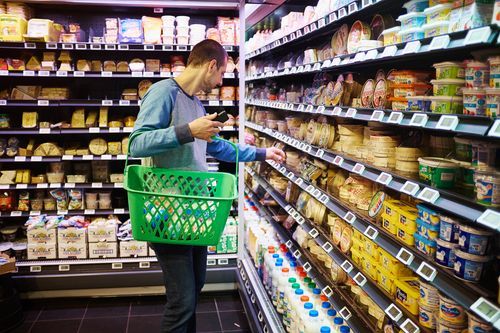
Two breakfast cereals can sell at much the same pace, but their shoppers may behave very differently if either disappears from the shelf. Buyers of one might happily switch to another cereal in the same supermarket. Buyers of the other may be so attached to their favourite that they look for it elsewhere.
Yet, when the supermarket needs to make room for a new product, both cereals could be on the list of things to cut. Rate of sale is often what puts them in the crosshairs for delisting. But what else is going on? What other elements should be examined? And why are the decisions not always the right ones?
Using Range Navigator, Worldpanel by Numerator looked at what real shoppers actually bought after products came off the shelf. Across 2,888 observed delists, retailers kept an average of 53% of the spending associated with those products. Brands kept 38% on average. The simple takeaway: a shopper who picks a different brand in the same supermarket can preserve a sale for the retailer, and a shopper who buys their usual brand elsewhere can preserve it for the manufacturer.
Whether you view that as a win or loss typically depends on which side of the fence you’re on.
From a manufacturer point of view, Range Navigator can be used to defend a listing even when it falls below the retailer’s rate-of-sale threshold. The analysis examines each product’s contribution to the core range, its ability to attract distinctive shoppers, its value position and the importance of its buyers to the category. This can reveal why a relatively slow-selling product deserves its place, particularly when it attracts heavy category buyers or shoppers who have few alternatives within the retailer’s range.
It can also identify lower-risk candidates for removal, where shoppers already buy several competing products. That gives the retailer a way to weigh the value of freeing up space against the category spending it could put at risk.
Devil in the detail
The type of product being removed also matters. Dropping an entire brand can leave shoppers with very different alternatives from those available when a retailer removes one flavour or pack size. A smaller pack might appeal to shoppers managing a tight budget, while a particular variant might attract buyers who rarely purchase anything else in the range. Two products with identical rates of sale can therefore present quite different risks when removed.
The result is a simulation of a brand-level removal, but it illustrates how shopper evidence can change the conversation in a range review. A product facing removal on rate of sale may serve buyers whose purchasing habits give the retailer good reason to reconsider.
Shopping around
The same purchase histories can help retailers decide what deserves a place on the shelf.
Meanwhile, purchases made by the retailer’s existing customers elsewhere can reveal gaps that a new listing might help fill.
Suppose shoppers who buy cereal at a supermarket regularly buy a particular pack size at another chain. If that pack is missing from the supermarket’s range, the retailer can test adding it. How many shoppers could the pack help the range reach? How much of its sales might come from cereal the retailer already sells? Those questions help a retail buyer decide whether it deserves space, including space freed by a proposed delist.
Worldpanel by Numerator’s Enhanced Panel provides a more detailed view of purchasing at individual retailers and across channels, helping teams examine the role of specific products within different assortments.
That level of detail is important because the same product can serve different groups of shoppers in different retailers. Its contribution depends partly on the alternatives available and the buying habits of the people it attracts.
Range Navigator uses observed panel purchases to show what shoppers already buy within the selected retailer and elsewhere. Teams can examine the contribution individual products make to cumulative shopper reach, investigate gaps and substitutes, then test proposed changes to the assortment.
Its simulations estimate how adding or removing products could affect sales value and volume within the retailer being reviewed, including which remaining products might gain or lose sales as a result. The analysis also helps manufacturers understand the potential effect on their own products.
A stronger case for the shelf
Rate of sale will, of course, remain an important part of every range review. Retailers need to make choices about the space available, and manufacturers need to justify their place on the shelf. But Range Navigator gives both a fuller view of the consequences, drawing on the purchasing habits of the shoppers behind each product.
For a manufacturer defending a listing, that evidence could make the difference between keeping a product and losing it. For a retailer, it could reveal which products are genuinely dispensable, which additions deserve consideration and which existing listings warrant a second look before the decision is made.